
The influence of a country is no longer measured solely by the size of its military, the scale of its economy or the reach of its diplomacy.
How a Quiet Community Is Becoming One of Most Valuable Strategic Assets. In the twenty-first century, national power increasingly depends on something less visible but no less important: people. Countries able to cultivate talented citizens who innovate, invest, build trusted institutions and occupy positions of influence across the world’s leading economies possess a strategic asset that cannot easily be replicated.
India understood this decades ago. Today, Indian professionals occupy senior leadership positions from Silicon Valley to the City of London. Jewish communities have built enduring influence across academia, finance and public policy. Chinese business networks have become indispensable to global trade. Greek and Greek Cypriot communities have patiently developed remarkable political and diplomatic reach far beyond their demographic weight.
None of this happened overnight.
It resulted from generations of investment in education, entrepreneurship, professional excellence and networks built on trust rather than political direction.
I believe we are beginning to witness the early stages of a similar transformation among Britain’s Turkish community.
It is still largely unnoticed.
It rarely makes headlines.
Yet the quiet evolution taking place from London to Manchester, Birmingham and Edinburgh may, over the next two decades, become one of Türkiye’s most valuable strategic assets.
When Turkish-born migrants, Turkish Cypriots and second- and third-generation British Turks are considered together, the Turkish-speaking community in the United Kingdom is estimated to approach half a million people. More important than its size, however, is its changing character.
This is no longer simply an immigrant community.
It is becoming an increasingly sophisticated reservoir of human capital.
A Different Turkish Community Is Emerging
Those who still associate Britain’s Turks primarily with restaurants, convenience stores or family-run businesses are looking at a picture that no longer reflects reality.
Today’s Turkish community includes investment bankers in the City of London, partners in international law firms, senior executives in global consulting companies, software engineers, AI specialists, cybersecurity experts and biotech entrepreneurs.
Turkish academics teach and conduct research at institutions including Oxford, Cambridge, the London School of Economics, Imperial College London, King’s College London and University College London. Thousands of Turkish students now form part of Britain’s academic ecosystem.
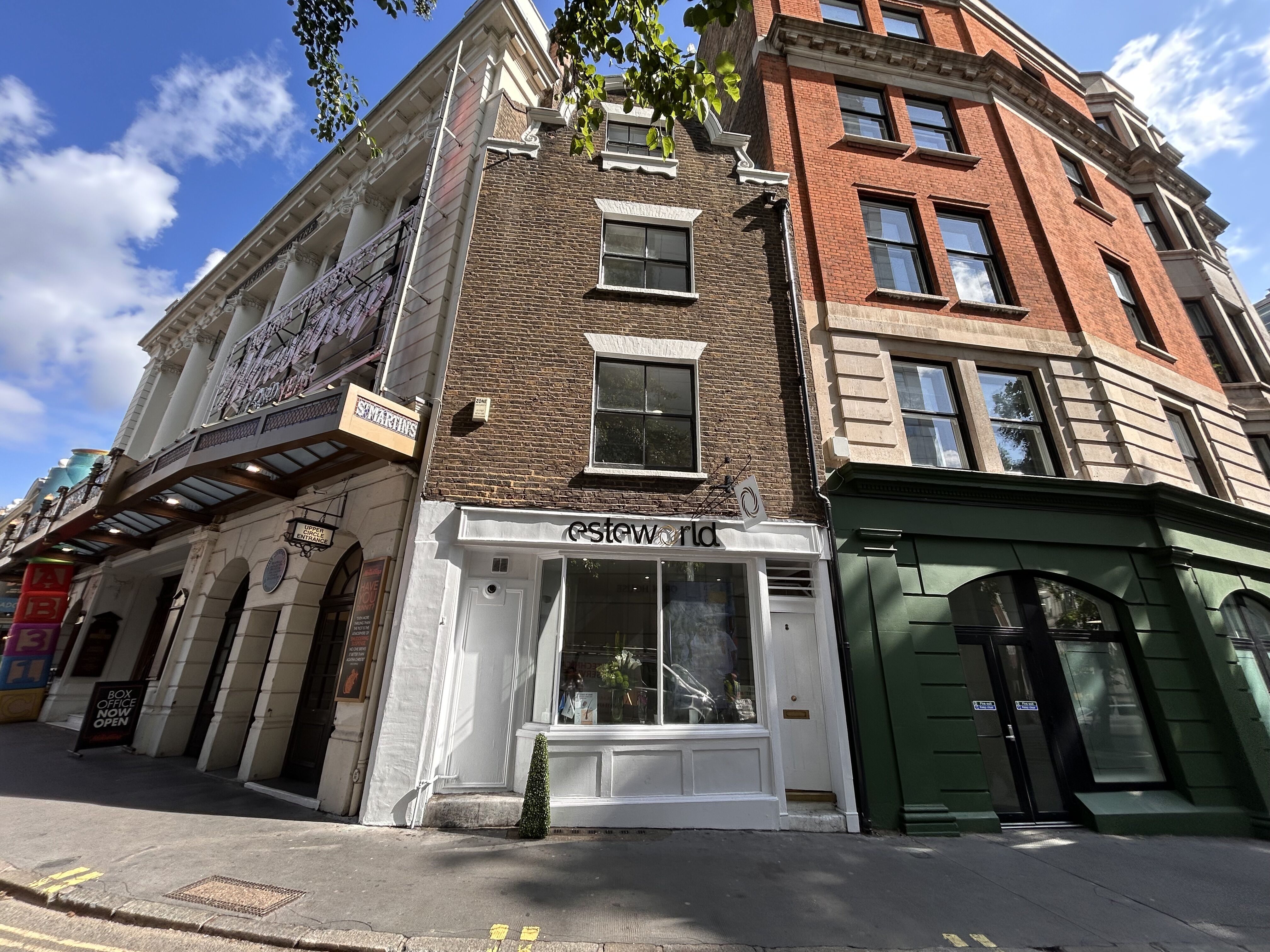
Elsewhere, Turkish entrepreneurs are building construction companies, managing international tourism businesses, investing in commercial real estate and establishing technology start-ups.
An increasing number of Türkiye’s leading business families also manage part of their international operations from London, attracted by deep capital markets, legal certainty and global connectivity.
This is not simply capital moving abroad.
It represents the internationalisation of Turkish business.
Sport reflects the same trend.
Turkish athletes increasingly compete on some of the world’s biggest stages, including Wimbledon, while Turkish coaches, analysts and sports professionals are becoming more visible across British professional sport.
Local politics is evolving too.
Although representation remains modest, Turkish-origin councillors, public servants and community leaders are becoming increasingly visible.
The numbers are still relatively small.
The direction of travel is not.
In strategic affairs, trends often matter more than snapshots.
London as Türkiye’s Global Knowledge Hub
Perhaps the most underappreciated reality in Ankara is that London is becoming far more than a financial centre for Turkish business.
It is evolving into one of Türkiye’s largest external reservoirs of knowledge, expertise and international influence.
Many of these professionals do not simply contribute to Britain’s economy.
They invest in Türkiye.
They advise Turkish companies.
They connect universities.
They finance innovation.
They facilitate technology transfer.
They influence how global institutions understand Türkiye.
Seen from this perspective, Britain’s Turkish community should not merely be described as a diaspora.
It is becoming a strategic transnational network.
Its greatest strength is precisely that it emerged organically.
It is not directed from Ankara.
Nor should it be.
Its credibility rests on professional achievement, mutual trust and independent success.
Success Was Built, Not Given
This transformation did not occur by chance.
The first generation laid the foundations through extraordinary hard work and sacrifice.
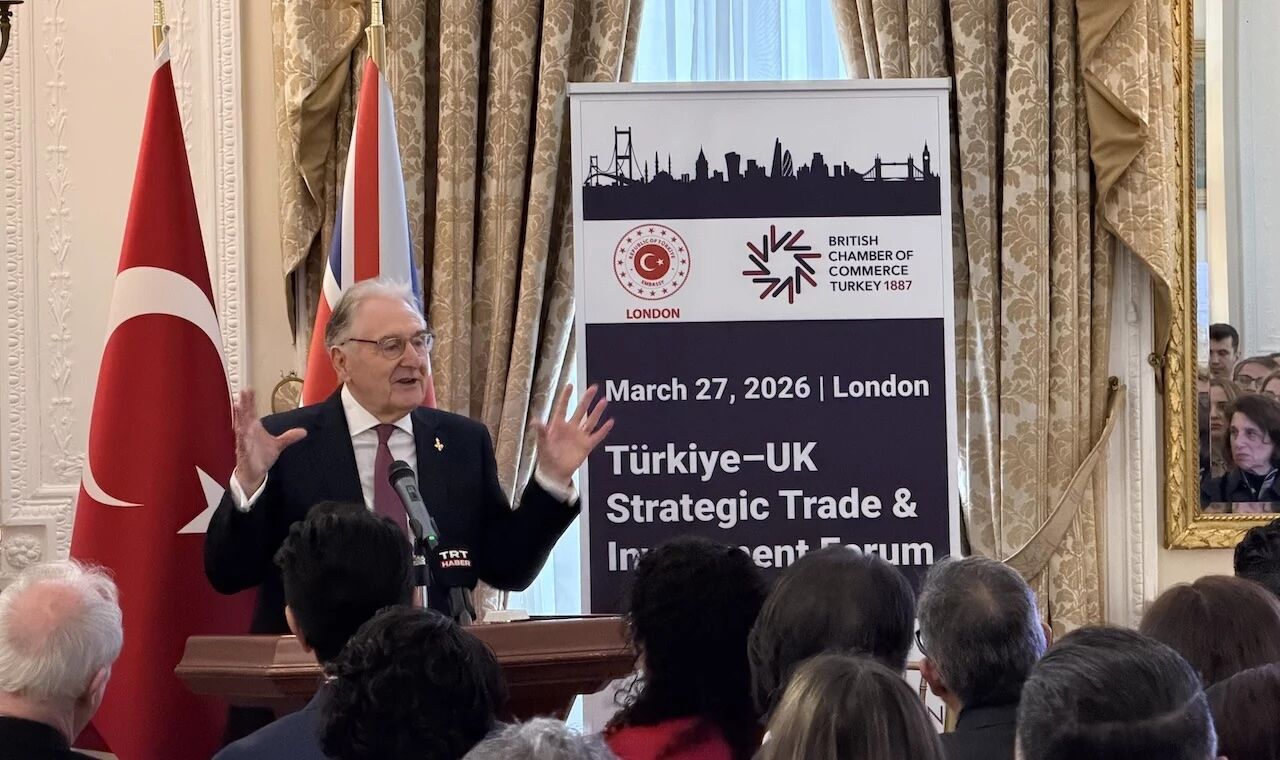
The Ankara Agreement brought thousands of entrepreneurs who established businesses and created employment.
More recently, the UK’s Global Talent and Skilled Worker programmes have attracted a new generation of scientists, engineers, software developers, researchers and innovators from Türkiye.
The profile of Turkish migration has fundamentally changed.
Increasingly, those arriving are not searching for jobs.
They are creating companies.
Developing patents.
Managing investment funds.
Leading international businesses.
Building technologies.
That may prove to be the most encouraging development of all—not only for Britain’s economy, but for Türkiye’s long-term global influence.
Know Each Other Before Trying to Organise Each Other
The first priority, in my view, is surprisingly simple.
We need to know who we are.
Not in demographic terms, but in strategic ones.
How many Turkish entrepreneurs are operating in Britain?
How many technology companies have Turkish founders?
How many investment fund managers, lawyers, bankers, engineers, doctors, academics, scientists, AI specialists and creatives are building successful careers here?
How many Turkish-origin executives sit on the boards of FTSE-listed companies?
How many serve in local government, public institutions or national politics?
How many researchers hold patents or lead internationally recognised innovation projects?
The truth is that nobody knows with any precision.
Without a comprehensive picture of our own human capital, we cannot fully appreciate — let alone leverage — its potential.
This is not a call for another bureaucratic register or a government database.
It is a call to map an ecosystem.
Every successful innovation hub, from Silicon Valley to Israel’s start-up sector, understands the importance of networks. Talent creates opportunities, but networks multiply them.
Britain’s Turkish community has reached the stage where building those networks matters more than increasing its numbers.
The State Should Enable, Not Direct
There is, however, an important distinction to make.
This process should not be state-led.
Having spent more than four decades in diplomacy, international business and civil society, I have become increasingly convinced that governments are rarely effective at manufacturing vibrant diaspora organisations from the top down.
Large umbrella structures established through official patronage often become bureaucratic, politicised and disconnected from the professionals they are supposed to represent.
The most successful international communities evolved differently.
Professional trust came first.
Institutions followed later.
The Indian, Jewish and increasingly the Chinese professional networks did not become influential because governments instructed them to cooperate.
They became influential because talented individuals found value in working together.
The lesson for Britain’s Turkish community is obvious.
Know each other.
Mentor younger generations.
Share experience.
Open doors.
Invest together.
Connect universities with businesses.
Support entrepreneurs.
Create opportunities that would not exist individually.
Real influence grows organically.
It cannot be manufactured.
Challenges Remain
The picture is encouraging, but it is not without problems.
Many Turkish entrepreneurs who arrived under the Ankara Agreement, together with professionals entering through the Global Talent and Skilled Worker routes, continue to encounter uncertainty over visa renewals, indefinite leave to remain and citizenship procedures.
These should not be viewed simply as individual immigration cases.
They concern highly skilled people who invest, create employment, pay taxes and contribute directly to Britain’s economy.
Greater predictability would benefit not only those individuals but also both countries.
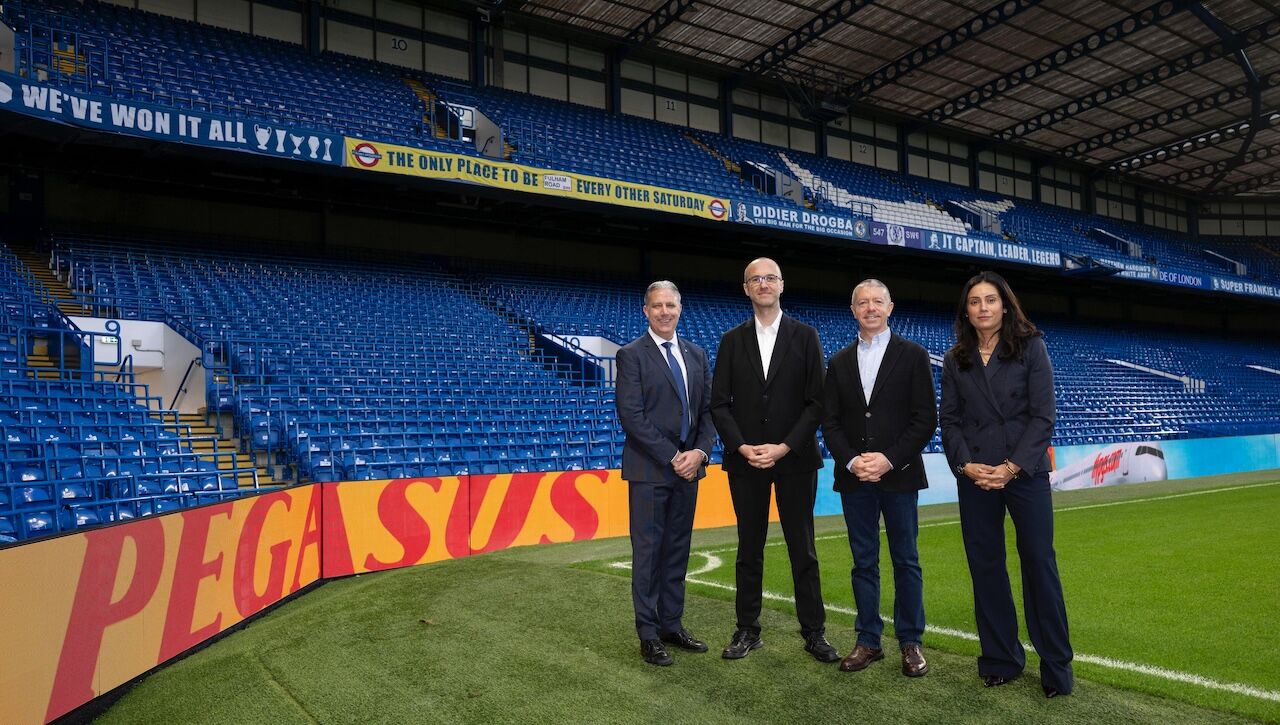
As UK-Türkiye relations deepen across defence, trade, technology and investment, facilitating the movement of highly skilled people should become an integral part of the bilateral partnership.
Solutions require dialogue rather than confrontation.
Professional organisations should articulate shared concerns.
British policymakers should recognise the economic contribution of this community.
Turkish diplomatic missions should play the role of facilitator rather than organiser.
The objective is not preferential treatment.
It is a modern immigration framework that recognises talent, investment and long-term contribution.
What Ankara Should — and Should Not — Do
Perhaps the most important recommendation concerns Türkiye itself.
There is a temptation in many countries to see overseas communities primarily as instruments of lobbying or foreign policy.
That would be a mistake.
Influence cannot be instructed.
Reputation cannot be exported by decree.
Credibility cannot be manufactured through official campaigns.
It is earned through professional excellence, integrity and meaningful contribution to the societies in which people live.
The role of the Turkish state should therefore be modest but strategic.
It should maintain close ties with its citizens abroad.
It should help remove unnecessary administrative obstacles.
It should encourage educational, scientific and commercial partnerships.
Above all, it should resist the temptation to politicise overseas communities.
Successful diasporas are trusted precisely because they are seen as independent.
Three Strategic Recommendations
First, Britain’s Turkish professionals should invest in each other before attempting to build institutions. Strong, voluntary networks across finance, law, technology, academia, healthcare, engineering, entrepreneurship and the creative industries will prove far more valuable than another umbrella organisation. Mentorship, collaboration and knowledge-sharing create influence that no formal structure can replicate.
Second, London and Ankara should recognise the mobility of highly skilled people as a strategic asset rather than merely an immigration issue. Visa pathways, long-term residence and citizenship procedures should support those who contribute to innovation, investment and economic growth in both countries.
Third, Britain’s Turkish community should continue to define itself not by identity politics but by excellence. Long-term influence is built through competence, credibility and contribution. Today’s young engineers, financiers, academics and entrepreneurs will become tomorrow’s business leaders, policymakers, scientists and public figures.
A Strategic Asset in the Making
The rise of Britain’s Turkish community has been remarkably quiet.
It has unfolded without grand strategies or headline-grabbing campaigns.
Yet history suggests that nations rarely extend their influence solely through governments.
They do so through people.
Over the next two decades, Britain is likely to produce a growing generation of Turkish-origin bankers, investors, scientists, lawyers, engineers, technology entrepreneurs, academics, artists and political leaders whose influence will extend well beyond the Turkish community itself.
Their success will strengthen Britain’s economy.
It can also strengthen Türkiye’s global standing.
Perhaps Türkiye’s most valuable export in the decades ahead will not be another industrial product, infrastructure project or defence platform.
It may instead be the knowledge, creativity, entrepreneurship and international credibility of its people.
If nurtured wisely—and allowed to evolve naturally—the emerging Turkish community in the United Kingdom could become one of Türkiye’s most valuable strategic assets in the twenty-first century.
By Mehmet Öğütçü

Photo: Mehmet Öğütçü, a prominent Turkish diplomat and Chairman of Global Resources Partnership, with former UK Prime Minister Boris Johnson during a high-level discussion on geopolitics, diplomacy, and international trade in Istanbul.