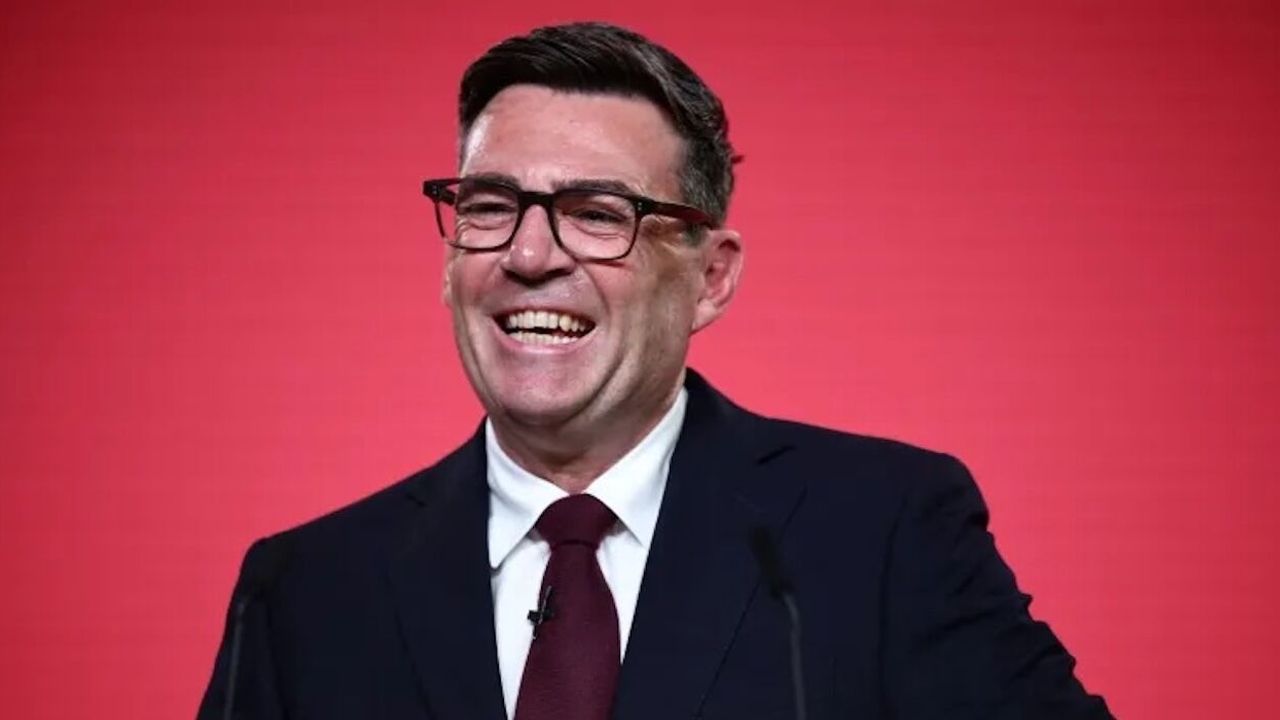
Andy Burnham is expected to reveal a new approach to oil and gas development in the North Sea after taking office as prime minister on Monday, according to reports. The move would mark a significant shift from Labour's 2024 election commitment, which ruled out issuing additional drilling licences while allowing existing approvals to proceed.
Attention is focused on the Rosebank and Jackdaw oil and gas projects off the Scottish coast. Although both developments received approval under the previous Conservative government in 2022 and 2023, court action led to those decisions being overturned in 2025.
The expected announcement is part of a broader package of early policy initiatives from Burnham's incoming administration. These proposals are set to include greater public ownership of water and energy companies, an expanded programme to build council housing, and measures designed to ease pressure on household finances.
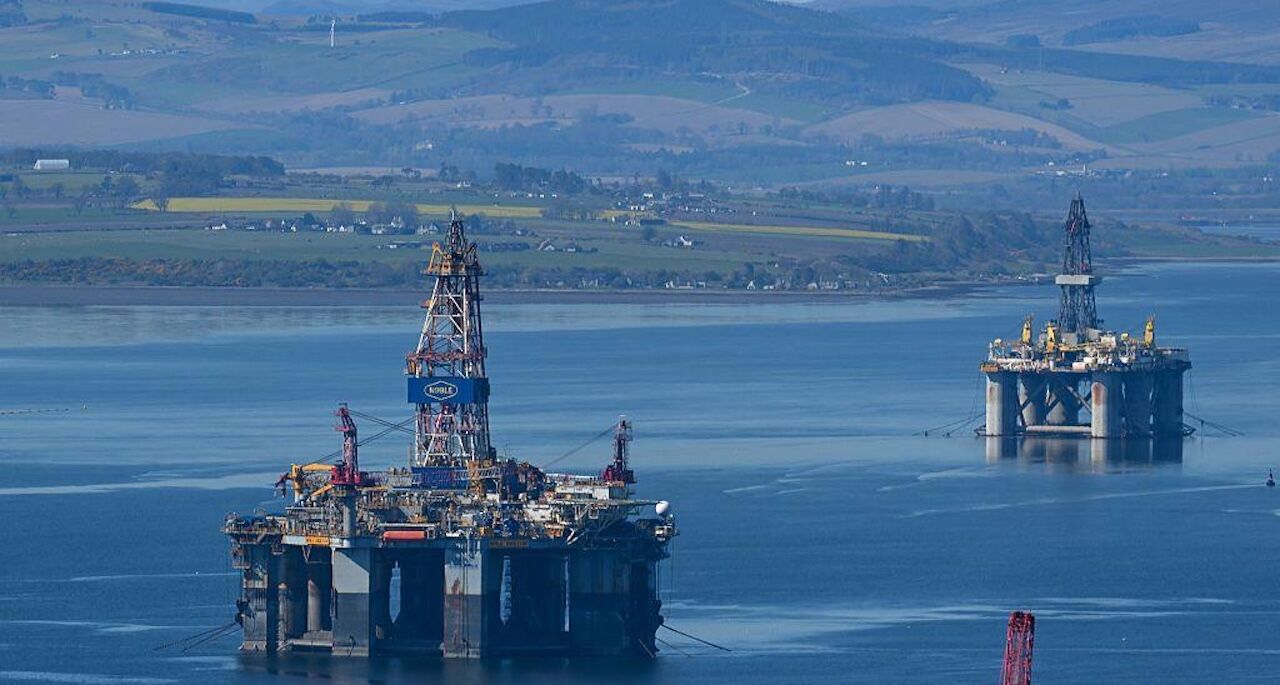
Specific details of the revised North Sea policy have not yet been disclosed. The issue has remained politically contentious, with former Prime Minister Sir Keir Starmer arguing that additional drilling would not reduce consumer energy bills and that long-term energy security depends on accelerating the transition to renewable sources.
Opposition parties, including the Conservatives and Reform UK, have consistently argued for increased domestic oil and gas production. They contend that relying more heavily on UK energy resources is particularly important during periods of global instability, such as recent tensions involving Iran that have contributed to higher energy prices.
The debate also attracted criticism from US President Donald Trump, who repeatedly urged the UK to expand North Sea oil production and criticised the previous government's energy strategy in social media posts before Starmer left office.
Within Labour, views on energy policy have been divided. Some MPs have called for a more flexible approach, arguing that the shift away from fossil fuels must safeguard employment and help keep energy affordable. Others maintain that expanding renewable energy remains the most effective way to strengthen energy security while addressing climate change.
Energy Secretary Ed Miliband, who is expected to retain a senior cabinet position, has been one of Labour's strongest advocates for limiting new drilling licences. He has previously described approval of the Rosebank project as damaging to the UK's climate ambitions.
Earlier this week, representatives from the oil and gas sector and trade unions jointly urged Burnham and Labour MPs to support continued North Sea production. They argued that backing the industry would demonstrate the government's commitment to domestic manufacturing, investment and communities that have long depended on the energy sector.
Burnham secured the Labour leadership unopposed after receiving the support of 379 Labour MPs and all 11 affiliated trade unions. He has said he is finalising his cabinet before formally entering Downing Street on Monday.
Speculation continues over key ministerial appointments, with Ed Miliband and Shabana Mahmood among those reported to be potential candidates for the role of chancellor. Burnham has declined to announce his cabinet in advance, saying doing so before taking office would create unnecessary disruption.

In his first speech after becoming Labour leader, Burnham pledged to restore optimism and deliver practical improvements quickly. Alongside changes to energy policy, his wider agenda is expected to focus on expanding council housing, revitalising town centres, improving education, reforming social care, increasing public control of water and energy services, and transferring more decision-making powers from Whitehall to local authorities.