London continues to attract dreamers, entrepreneurs, artists, diplomats and investors from every corner of the world.
How One City Shaped My Life—and My View of the World
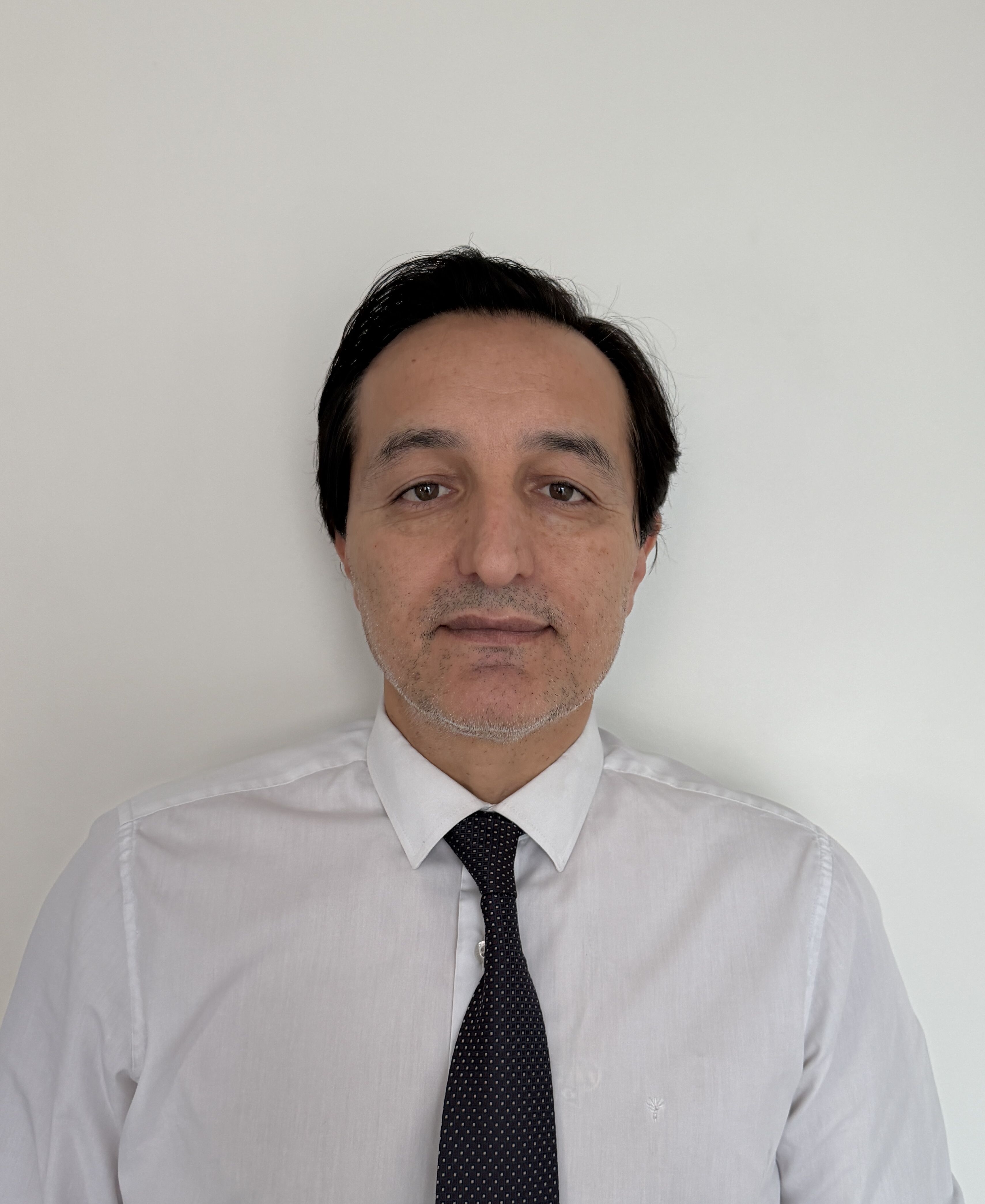
By Mehmet Öğütçü | Avrupa Times
On many mornings, if you happen to walk through Sloane Square, you may find me sitting outside Colbert with a double espresso, watching London wake up. Red buses glide past the Royal Court Theatre. Office workers hurry towards Victoria. Visitors wander along King’s Road. Conversations drift effortlessly from English to French, Italian, Arabic, Spanish and, increasingly these days, Turkish.
Chelsea has become my home. From my terrace overlooking the River Thames, I am reminded every day why London continues to attract dreamers, entrepreneurs, artists, diplomats and investors from every corner of the world. It is a city that rarely asks where you come from before inviting you to become part of its story.
As Emiliano Lapergola welcomes guests with warmth and understated elegance at Colbert, I often find myself reflecting on a journey that began more than four decades ago.
The City That Became My University
When I first arrived in London in 1984 as a graduate student, carrying little more than a suitcase, a modest budget and boundless curiosity, I thought I was coming simply to earn a degree.
I had no idea I was beginning the longest and most influential relationship of my professional life.
Since then, my career has taken me to Beijing, Brussels, Paris and countless other cities. I have served as a Turkish diplomat, worked at the International Energy Agency and the OECD, advised governments and corporations, and later joined the boards of multinational companies operating at the intersection of energy, finance and geopolitics.
Yet London always remained my point of return.
Not merely because I lived here.
Because it became the city through which I learned to understand the world.
Over the years I lived in eight different parts of London: Upper Street in Islington, Little Venice in Maida Vale, Great Portland Street, Baker Street, Holland Park, Paddington, Gloucester Terrace and, today, Chelsea. Every neighbourhood revealed another side of London. Islington introduced me to political debate and intellectual curiosity. Little Venice offered tranquillity in the middle of a global metropolis. Holland Park combined elegance with diversity, while Paddington reminded me every day that London has always been Britain’s gateway to the wider world.
Perhaps that is London’s first lesson.
It is not one city.
It is many cities living comfortably together.
Five Pounds an Hour
Like thousands of overseas students, my London story did not begin in embassies or boardrooms.
It began with manual work.
About five pounds an hour.
To support myself, I peeled potatoes in a small Greek fish-and-chip restaurant, worked in a pizza kitchen preparing ingredients during evening shifts and later filled shelves at the Marks & Spencer store on Marble Arch.
Those jobs may have seemed ordinary.
They were not.
They taught me the dignity of honest work, the discipline of perseverance and the confidence that no experience is wasted if one is willing to learn from it.
London never judged me by where I started.
It judged me by whether I was prepared to keep moving.
Gradually, opportunities appeared. I joined South magazine as an assistant editor, worked with the British Board of Film Classification translating Turkish-language material and later became Diplomatic Correspondent for the Turkish Daily News. Looking back, I realise London was quietly reinventing me long before I realised it myself.
Building a Career—and Institutions
Diplomatic assignments later took me to Ankara, Beijing and Brussels before I joined the International Energy Agency and the OECD in Paris. Yet London remained my professional anchor.
It was from London that I entered the international business world.
My years as a Director of BG Group gave me a front-row seat to the transformation of global energy markets. Later, I served as an independent non-executive director of London-listed companies including Genel Energy plc and Invensys, as well as the advisory firm Windsor Energy Group.
Yet perhaps my greatest satisfaction came not from joining institutions but from creating them.
London became the birthplace of the London Energy Club, bringing together ministers, chief executives, diplomats, academics and investors to discuss the future of energy, infrastructure and geopolitics. Later came Global Resources Partners, founded on the belief that trusted relationships and independent thinking are becoming the world’s most valuable strategic assets.
Neither organisation could easily have been created anywhere else.
London rewards ideas.
More importantly, it connects people.
The People Who Became My London
Cities are ultimately remembered not through buildings but through people.
Over the years, London introduced me to remarkable individuals who shaped my thinking in different ways. Lord David Howell broadened my understanding of strategic leadership and global energy. William Carrocher demonstrated that influence often comes quietly rather than loudly. Julius Sen challenged my thinking on energy policy and international affairs, while Stephen Jones sharpened my appreciation of communications and public affairs.
Others entered my life during different chapters—Sanford Henry, Fiona Watson, Kate Hall, Anthony Gajadharsingh, Charles Bland, Lady Olga, Keelan Cunningham, Stuart Poole-Robb, Danny Doğramacı, Nicky and Adrian from Wimbledon—each contributing friendship, wisdom or perspective. Aileen Walkersmith became one of those rare people whose judgement, loyalty and kindness grow more valuable with every passing year. Vanessa Raine had been a partner whose integrity and insight have enriched many of my ventures.
The most important chapter of all belongs to London as well. It was here that Aynur Tattersall and I married at Chelsea Old Town Hall and built much of our life together. Every city leaves memories. Very few become part of your family’s story.
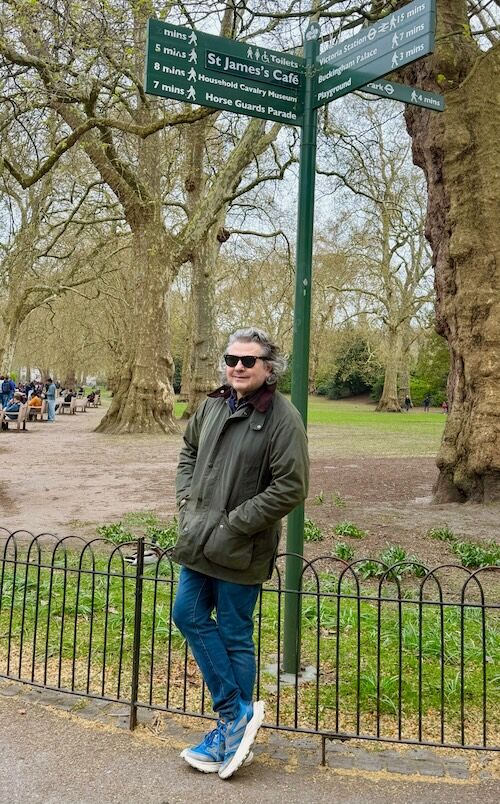
London became ours.
Where Conversations Become Ideas
Some of my most productive conversations have taken place not in boardrooms but around the small marble tables of Colbert overlooking Sloane Square.
History reminds us that London’s coffee houses helped create modern banking, insurance and journalism. Places like Colbert continue that tradition in quieter ways. Ideas are exchanged, friendships deepen and collaborations begin over breakfast long before they appear in strategy papers or newspaper columns.
Walking along King’s Road today, I sometimes feel echoes of Istanbul’s Nişantaşı. Turkish voices have become part of Chelsea’s daily soundtrack. London has never demanded that newcomers abandon their identities. Instead, it has invited them to enrich its own.
Trust Is London’s Greatest Asset
Many explain London’s success through finance.
I believe they mistake the consequence for the cause.
Finance is an outcome.
Trust is the foundation.
London’s greatest competitive advantage lies in the rule of law, respected institutions, world-class universities, professional excellence and an extraordinary capacity to attract talented people from every continent.
Capital follows confidence before it follows profit.
People do the same.
Increasingly, countries compete through cities rather than borders. Entrepreneurs seek ecosystems before incentives. Scientists choose universities before governments. Families choose quality of life before salary.
Lessons Beyond London
As someone deeply attached to London but equally to Istanbul, Urla, Çeşme, Karaburun and Nice, I often reflect on what lessons this remarkable city offers.
History matters.
Geography matters.
But neither is enough.
The cities that will flourish during the twenty-first century will compete less for factories than for talent, less for financial capital than for human capital, and less for prestige than for trust.
Investment follows people.
People follow opportunity.
But they stay for quality of life.
The Measure of a Great City
After more than forty years, I no longer think of London merely as a place where I have lived.
It is where I learned resilience while peeling potatoes.
Where I discovered journalism, diplomacy and international business.
Where I built institutions.
Where I found lifelong friends.
Where I met my wife.
And where I came to understand that the greatest cities do far more than generate wealth.
They enlarge the lives of the people who call them home.
After all these years, I have come to believe that the true wealth of a city cannot be measured by the height of its skyscrapers, the size of its financial markets or the value of its property. It is measured by the lives it changes, the opportunities it creates, the friendships it nurtures and the confidence it gives ordinary people to dream extraordinary dreams.
London rewarded my curiosity.
It tested my resilience.
It expanded my horizons.
It transformed my life.
For that, it will always be much more than a global city.
It will always be home.