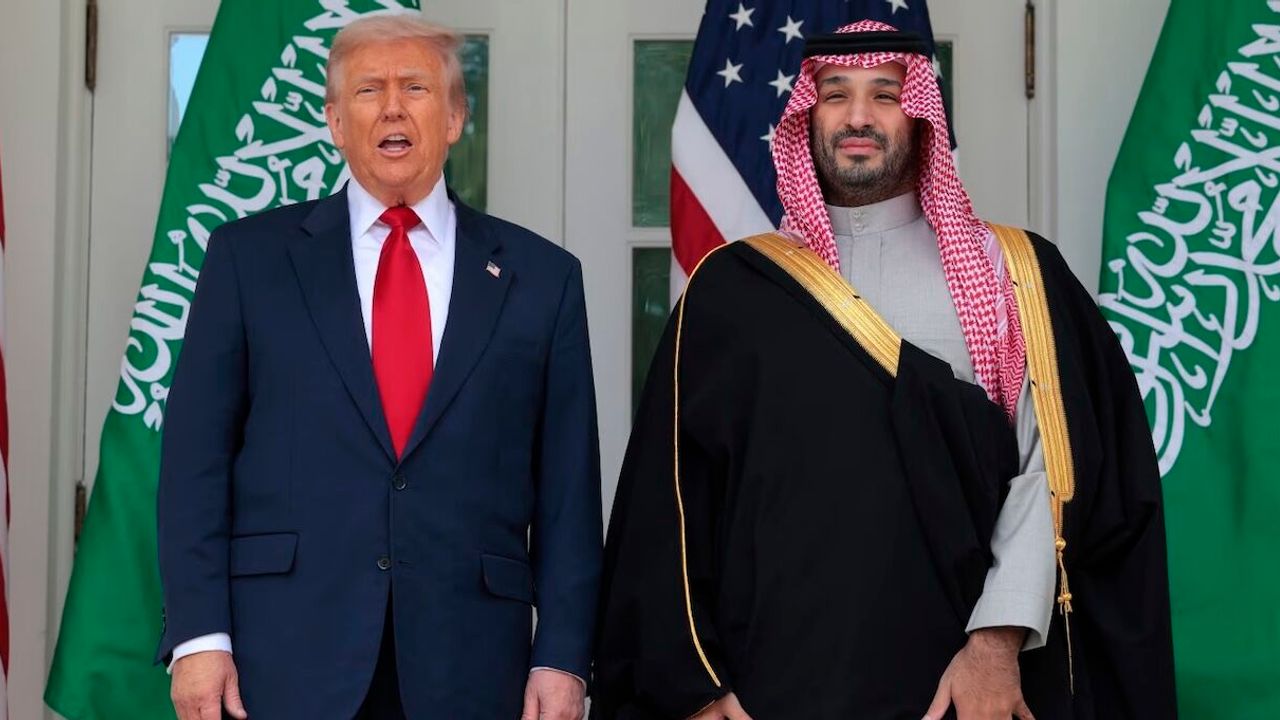
US President Donald Trump has approved a landmark 30-year nuclear cooperation agreement with Saudi Arabia that could open the door to uranium enrichment on Saudi soil, according to people familiar with the agreement. The deal is expected to give American nuclear companies a major role in developing the kingdom's civilian nuclear program, potentially creating billions of dollars in business opportunities for US industry.

The agreement, which has not yet been formally announced, is expected to be submitted to the US Congress for review. Two people familiar with the matter told The Associated Press that the deal could allow Saudi Arabia to build a uranium enrichment facility following a joint US-Saudi study.
The agreement represents a significant step in Riyadh's long-running effort to develop a domestic civilian nuclear industry. Saudi Arabia has argued that nuclear power is essential to its plans to diversify its energy mix, reduce emissions and preserve more of its oil production for export.
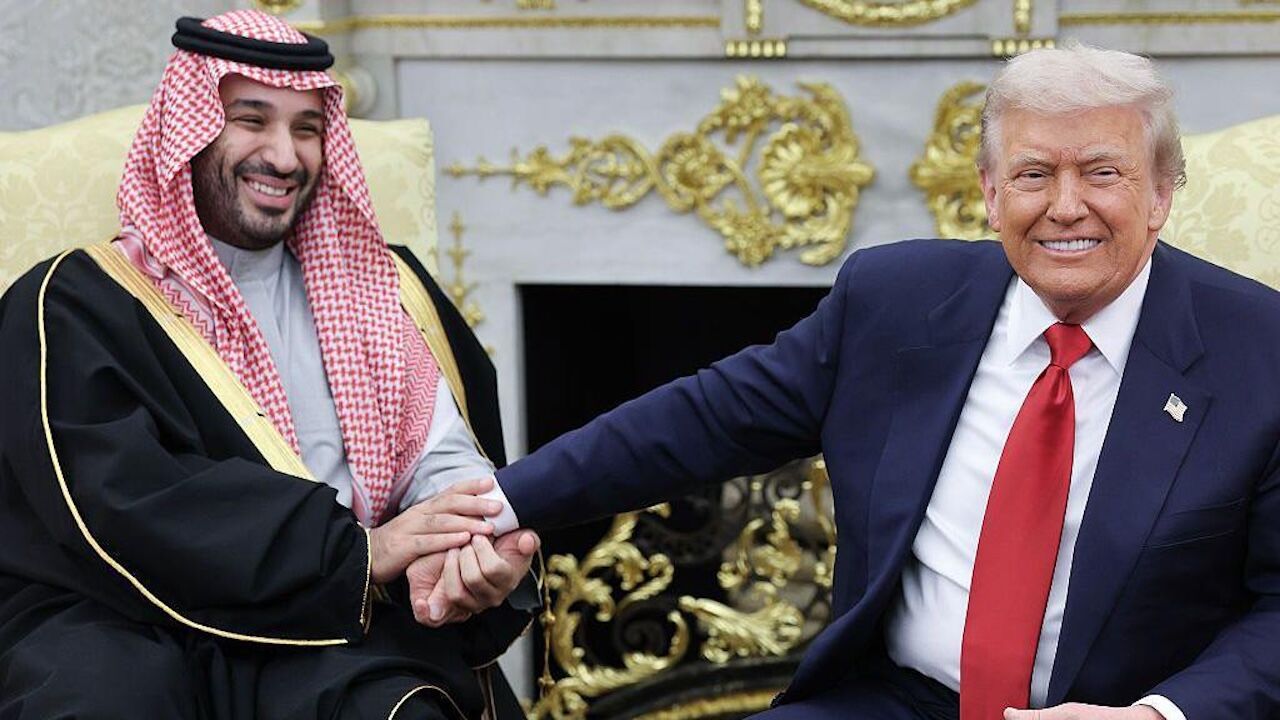
For Washington, the agreement could strengthen strategic ties with one of the Middle East's most influential powers while securing a major role for American companies in Saudi Arabia's nuclear infrastructure. The deal could also help the United States compete with China, Russia and other countries seeking to expand their economic and strategic influence in the kingdom.
However, the agreement is already generating concern among nuclear nonproliferation experts and some US lawmakers. The key issue is whether Saudi Arabia will be permitted to enrich uranium domestically. Uranium enrichment can be used for peaceful nuclear energy but, at higher levels, can also produce material suitable for nuclear weapons.
Critics are particularly concerned that the agreement does not appear to include the same strict restrictions associated with the so-called "gold standard" nuclear cooperation arrangements. The United Arab Emirates, for example, agreed to forgo domestic uranium enrichment and reprocessing as part of its nuclear partnership with the United States. The Saudi agreement is reportedly less restrictive and could potentially allow enrichment following further technical studies.
The issue has broader implications for the Middle East. Saudi Crown Prince Mohammed bin Salman has previously said that the kingdom would seek nuclear weapons if Iran acquired one. That position has fueled fears that allowing Saudi Arabia access to sensitive nuclear technology could trigger a new nuclear competition in the region.
The agreement also comes at a particularly sensitive moment, as tensions between the United States, Iran and Israel continue to reshape the security landscape across the Middle East. Any move that expands the number of countries with uranium enrichment capabilities could face intense scrutiny from lawmakers and international nonproliferation advocates.
For Saudi Arabia, however, the agreement marks a major diplomatic and economic victory. Riyadh has long sought US support for its civilian nuclear ambitions, and securing American participation could provide the kingdom with advanced technology and international credibility for its nuclear energy plans.
The agreement's final details, including the precise limits on uranium enrichment and the safeguards that will govern the program, are likely to become the focus of intense debate in Washington. The deal is expected to undergo congressional review, meaning the political battle over its terms may only be beginning.