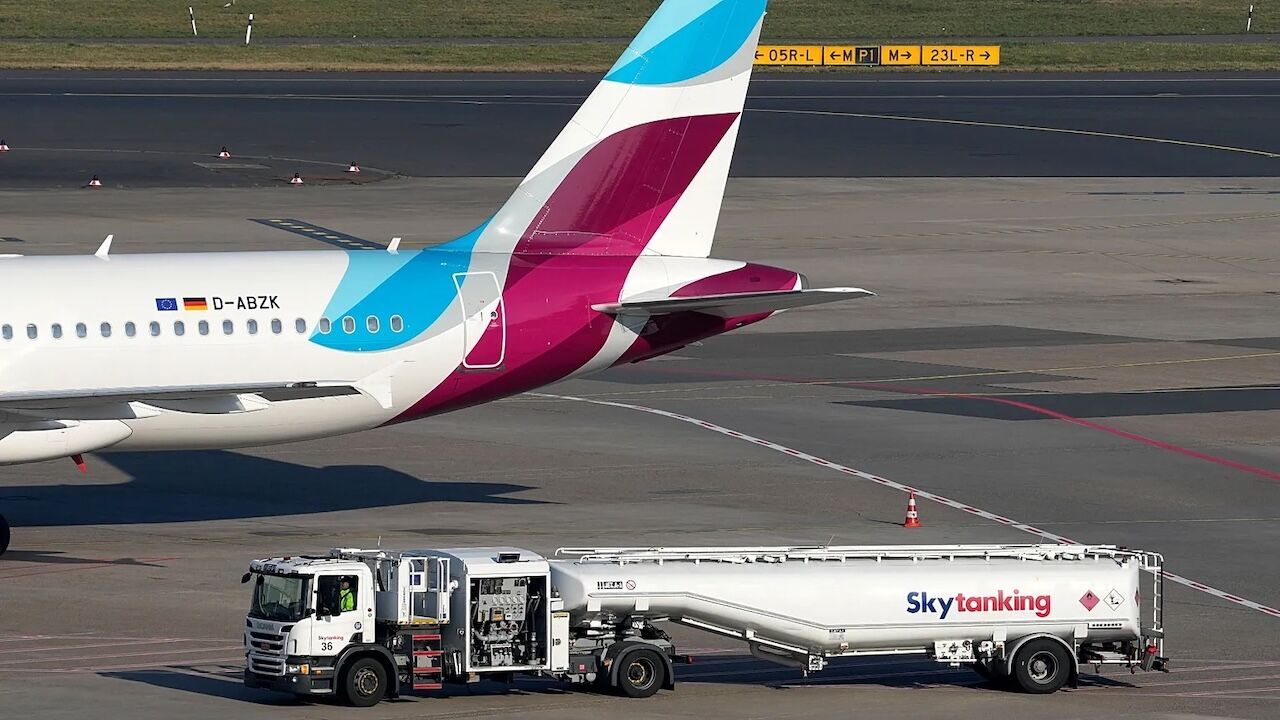
Europe’s aviation sector could face serious jet fuel shortages within three weeks if the Strait of Hormuz remains closed, according to a warning from the continent’s airport trade association. The Persian Gulf supplies around half of Europe’s imported aviation fuel, and Airports Council International (ACI) Europe has raised concerns about tightening availability ahead of the busy summer travel season. The organization said smaller airports would be hit hardest.
ACI Europe’s director general, Olivier Jankovec, warned that a disruption in fuel supply would significantly impact airport operations and air connectivity, potentially causing severe economic consequences across Europe. He added that if the Strait of Hormuz does not reopen in a stable manner within three weeks, a widespread jet fuel shortage in the EU could become unavoidable.
Airlines have already begun reducing flight schedules and increasing ticket prices due to fuel supply worries. European jet fuel prices recently reached a record high of $1,838 per tonne, nearly double the level seen before the war began.


Jankovec called on the European Union to take immediate action, arguing that market forces alone would not be sufficient to manage the crisis. He also criticized the lack of coordinated EU monitoring of jet fuel supply and production.
ACI Europe has proposed joint EU fuel purchasing and temporary easing of certain import restrictions. The group also highlighted the need to support the production and affordability of sustainable aviation fuel (SAF), noting that conventional jet fuel prices are expected to stay high in the long term.
According to the letter dated April 9 and reported by the Financial Times, airports handling fewer than one million passengers annually are already under financial strain, even before considering fuel shortages. Jankovec warned that the situation could further weaken regional airports and negatively affect local communities across Europe.