


LONDON — According to information provided to Avrupa Ajansı (AVA), energy, trade and infrastructure developments across Central Asia and the Caspian region are pointing to growing efforts to diversify energy supplies, export routes and economic partnerships.
The latest economic assessment highlights potential Turkmen gas sales to Afghanistan through the TAPI pipeline, Kazakhstan’s efforts to develop alternative oil export routes amid continuing vulnerabilities affecting the Caspian Pipeline Consortium (CPC), and expanding economic cooperation between Azerbaijan, Uzbekistan and India.
The developments also underline the region’s exposure to disruptions in Russian fuel supplies and the importance of cross-border energy infrastructure.
Turkmen Gas Sales to Afghanistan Expected Through TAPI
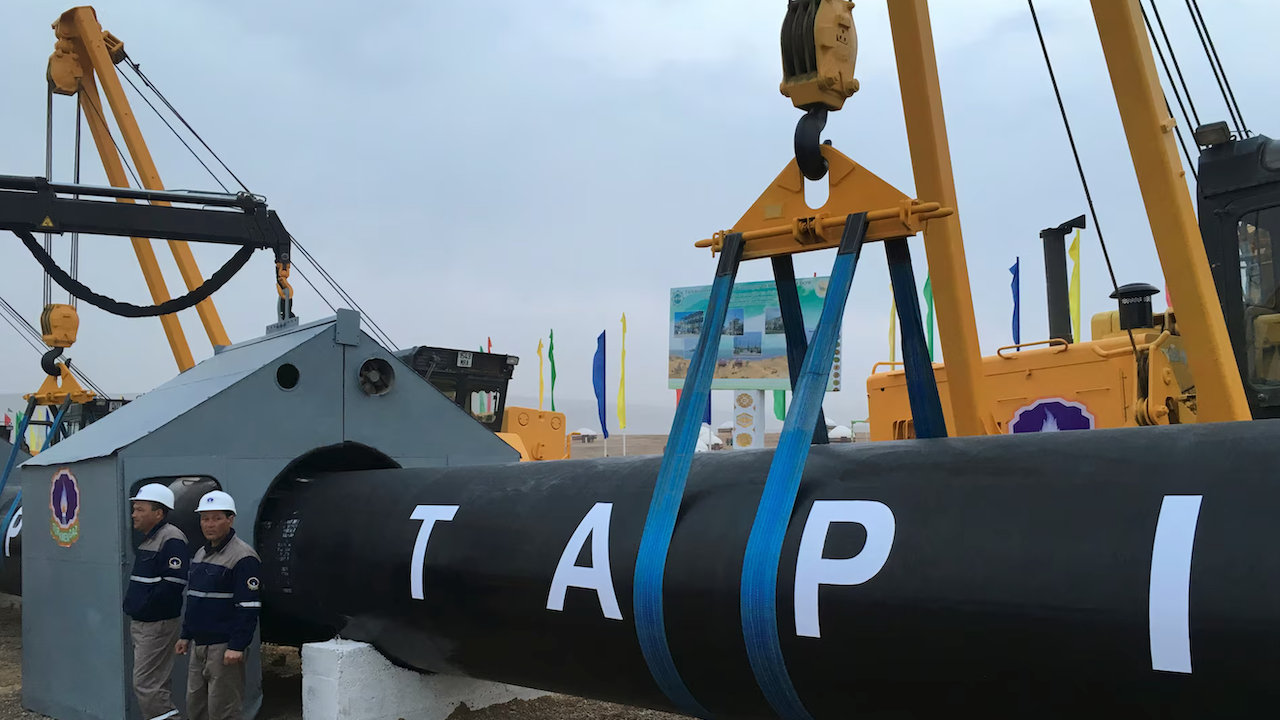
The local section of the Turkmenistan-Afghanistan-Pakistan-India (TAPI) gas pipeline in Afghanistan’s Herat province could become operational within two months, according to the governor of Herat.
The development could eventually enable Turkmen gas to be sold directly to consumers in Herat. It follows a bilateral memorandum signed between Turkmenistan and Afghanistan on August 10, establishing a framework for gas purchases.
However, the exact timing of commercial gas sales remains unclear. Additional infrastructure investment will also be required to improve Herat’s gas distribution network and connect industrial facilities and households.
Russia’s Fuel Shortages Put Pressure on Central Asian Markets
Russia’s worsening gasoline shortages are creating additional pressure on fuel markets across Central Asia.
Ukrainian attacks on Russian oil refineries have reduced domestic refining capacity, prompting Moscow to restrict fuel exports and seek additional supplies from international markets.
Countries including Kyrgyzstan and Tajikistan, which have traditionally relied heavily on Russian petroleum products, are being forced to consider alternative suppliers.

The disruption highlights the wider economic impact of the Russia-Ukraine war on Central Asian energy security and could accelerate regional efforts to diversify fuel supply chains.
Kazakhstan Seeks Alternative Oil Export Routes
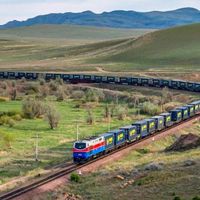
Kazakhstan continues to examine alternative routes for oil exports as disruptions affecting the Caspian Pipeline Consortium highlight the country's dependence on infrastructure passing through Russian territory.
Astana has increased shipments across the Caspian Sea to Azerbaijan and onward toward Georgia. Routes such as Baku-Supsa could provide additional flexibility.
Although alternative routes currently lack the capacity to replace the CPC on a comparable scale, the disruptions are reinforcing Kazakhstan’s longer-term strategy of diversifying export infrastructure and reducing dependence on a single transit corridor.
Armenia and Azerbaijan Discuss Cross-Border Electricity Trade
Armenian and Azerbaijani officials met on August 25 to discuss the development of cross-border electricity infrastructure that could facilitate electricity imports and exports between the two countries.
The working group included representatives from Armenia’s Ministry of Territorial Administration and Infrastructure, Azerbaijan’s Ministry of Energy and energy companies from both sides.
The talks follow earlier discussions between Armenian Prime Minister Nikol Pashinyan and Azerbaijani President Ilham Aliyev on the potential construction of electricity transmission lines.
If implemented, the projects could create new opportunities for regional electricity trade and strengthen energy connectivity between the South Caucasus and neighboring markets.
Uzbekistan and India Target $5 Billion in Trade by 2030
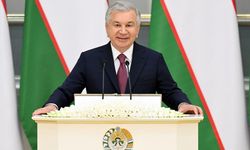
Uzbek President Shavkat Mirziyoyev and Indian Prime Minister Narendra Modi discussed economic cooperation on the sidelines of the Shanghai Cooperation Organization Summit in Bishkek.
The two countries set a target of increasing bilateral trade turnover to $5 billion by 2030 and signed a memorandum on cooperation in critical minerals.
Officials in New Delhi also indicated that Uzbekistan and India are considering the renewal of a 2019 uranium supply agreement under which Uzbekistan supplied India with approximately 1,100 tons of uranium annually.
The discussions highlight the growing importance of critical minerals, energy and strategic commodities in Uzbekistan-India economic relations.
Azerbaijan and Uzbekistan Expand Economic Partnership
Azerbaijan and Uzbekistan are translating their expanding political relationship into a broader portfolio of economic projects.
Following Azerbaijani President Ilham Aliyev’s August 23–24 state visit to Uzbekistan, the two countries announced initiatives covering banking, construction materials, education, fuel infrastructure, tourism, mining and agriculture.
The two sides also agreed on a roadmap for implementing the newly signed agreements.
Economic cooperation extends to the Middle Corridor, energy and investment, further strengthening Azerbaijan’s role in Central Asian trade and connectivity initiatives.
Turkmenistan Electricity Supply Disrupted in Seven Afghan Provinces
Electricity supplies from Turkmenistan to seven Afghan provinces were interrupted on August 31, according to Afghanistan’s national power utility.
The disruption was attributed to an alleged technical problem on the Turkmen side.
Afghanistan relies on foreign suppliers for approximately 80% of its electricity, making cross-border energy infrastructure particularly important to the country's energy security.
While the Turkmen supply was disrupted, Afghanistan turned to Uzbekistan for additional electricity. The two countries signed agreements worth approximately $243 million in 2025 aimed at increasing Afghanistan’s capacity to receive electricity from Uzbekistan.
Turkmenistan Begins Addressing Methane Leaks
Turkmenistan has repaired infrastructure associated with eight methane leaks as part of efforts to reduce emissions from its aging oil and gas facilities.
Methane is a major contributor to near-term global warming, while Turkmenistan has previously been identified as one of the world's leading sources of large methane releases from oil and gas operations.
The repairs represent a step toward reducing emissions, although satellite-based monitoring continues to identify significant methane releases.
According to the UN Methane Alert and Response System, 192 notifications of methane plumes were issued for Turkmenistan during the past 12 months.
The developments underline the growing economic and environmental pressure on major hydrocarbon producers to modernize infrastructure, improve emissions monitoring and increase transparency.
Regional Energy Diversification Gains Momentum
Taken together, the developments indicate that energy diversification is becoming an increasingly important economic priority across Central Asia and the Caspian region.
Alternative oil export corridors, new gas infrastructure, cross-border electricity trading and expanding partnerships with countries such as India are creating additional options for regional economies.
At the same time, disruptions to Russian fuel supplies and vulnerabilities affecting established export infrastructure are increasing pressure on governments to develop more resilient and diversified energy and trade networks.
This economic assessment is based on information provided to Avrupa Ajansı (AVA) and reflects reported developments and assessments concerning the regional economy, energy markets and infrastructure.